November 4, 2026
Sealcoating is a crucial process in maintaining a parking lot's durability and aesthetic appeal. By applying a protective layer over the asphalt surface, a sealcoat can significantly extend the lifespan of a parking lot. Consulting a dependable local asphalt paving company ensures that every layer of maintenance is executed with precision. According to Grainger KnowHow, the industry standard is to apply the first sealcoat three to six months after new pavement is laid. Working alongside an experienced local asphalt paving company allows facility managers to adhere to this timeframe, which allows the asphalt to cure and set sufficiently, maximizing the benefits of sealcoating.
Understanding the Essential Role of Sealcoating
Defining the Purpose and Process of Sealcoating
Sealcoating is the process of applying a protective coating to asphalt pavements in order to provide a layer of protection from the elements. This coating is typically made from a mixture of emulsified asphalt, water, mineral fillers, and various additives. The primary goal of sealcoating is to prevent moisture, chemicals, and UV light from penetrating the asphalt surface, thereby prolonging its life.
Examining the Composition of Quality Sealcoat Materials
Sealcoat materials comprise several components that contribute to their protective capabilities. The primary ingredient is an emulsified asphalt base, which acts as a binding agent and provides the primary layer of protection against environmental elements. Mineral fillers like sand or clay are often added by a trusted local asphalt paving company to improve the wear resistance and durability of the sealcoat.
Evaluating Key Benefits of Parking Lot Sealcoating
Sealcoating provides numerous advantages that make it a pivotal component of parking lot maintenance. Firstly, it acts as a barrier against water, preventing moisture from seeping into and degrading the asphalt. This is crucial in regions prone to freeze-thaw cycles, as water infiltration can lead to cracks and potholes as temperatures fluctuate.
Addressing Common Misconceptions Regarding Commercial Sealcoating
There are several misconceptions about sealcoating that can lead to unrealistic expectations about its capabilities. One common myth is that sealcoating repairs structural damage; however, it should be understood that sealcoating is a preventative measure rather than a corrective one. It does not replace the need for addressing foundational issues like cracks or potholes prior to application.
Highlighting the Role of Routine Surface Maintenance
Within the broader strategy of parking lot maintenance, sealcoating plays an integral role in protecting and preserving asphalt surfaces. It complements other maintenance activities such as crack filling and pothole repair, addressing the surface layer while allowing structural repairs to stabilize the foundation. Partnering with a dedicated local asphalt paving company ensures that both surface and subsurface issues are managed effectively.
Determining the Ideal Timing for First Sealcoating
Identifying the Ideal Initial Sealcoat Application Timeframe
Choosing the right timeframe for initial sealcoat application is crucial for optimizing asphalt longevity and performance. The general recommendation from industry experts, including Grainger KnowHow, is to apply the first sealcoat three to six months after new asphalt is laid. This period allows the asphalt to cure properly, enabling oils to evaporate and ensuring optimal adhesion of the sealcoat.
Analyzing the Direct Influence of Local Weather
Weather conditions are a critical factor in determining the appropriate timing for sealcoating applications. Ideal situations involve moderate temperatures and dry conditions, as these facilitate proper curing and adherence of the sealant to the asphalt. Excessive heat can cause the sealcoat to dry too quickly, while cold weather can prevent it from setting properly.
Reviewing Seasonal Considerations for Optimal Curing Conditions
Seasonal variations greatly impact the timing and outcome of a successful sealcoating project. In general, spring through fall is considered the optimal time for sealcoating, given that warmer temperatures and longer days aid in the curing process. During these seasons, the effectiveness of the sealcoat is maximized as the sealant sets correctly.
Evaluating the Curing Condition of New Asphalt
Careful evaluation of newly laid asphalt is essential in determining its readiness for the first sealcoat application. This involves inspecting the surface for residual oil and ensuring the binder has had enough time to cure. An assessment by a knowledgeable local asphalt paving company can confirm whether a sheen on the surface indicates the asphalt is still curing, delaying application to prevent encapsulating un-evaporated oils.
Establishing the Necessary Frequency of Sealcoating Applications
Determining the appropriate frequency for sealcoating applications is integral to maintaining optimum parking lot conditions. Generally, it is recommended to reapply a sealcoat every three to five years, depending on factors such as traffic volume, climate conditions, and sealcoat quality. Regular applications ensure continued protection against wear and environmental influences.
Assessing Key Factors Affecting Sealcoating Schedules
Evaluating Vehicle Traffic Load on Parking Surfaces
Traffic load is a significant determinant in the appropriate timing for sealcoating application. Lots with high traffic, particularly those supporting heavy vehicles, experience accelerated wear and tear. Consequently, a reputable local asphalt paving company may recommend an earlier and more frequent sealcoating schedule to prevent degradation and maintain a safe driving environment.
Reviewing Local Climate and Changing Environmental Conditions
Local climate and environmental conditions significantly influence the timing and effectiveness of sealcoating applications. Regions experiencing extreme temperature fluctuations or high precipitation require careful consideration when planning sealcoating schedules. These elements can accelerate asphalt deterioration, necessitating more frequent applications.
Assessing the Quality of Original Asphalt Installation
The quality of the original asphalt installation plays a pivotal role in determining when to apply the first sealcoat. Properly laid asphalt with uniform compaction and a clean finish tends to require less immediate attention, offering a solid base for an effective sealcoat application after the curing period.
Analyzing Daily Commercial Parking Lot Usage Patterns
The usage patterns of a parking lot influence the timing schedule for sealcoating applications significantly. Commercial lots with high frequency of use, hosting multiple vehicles daily, typically experience greater wear than residential driveways, necessitating earlier or more frequent sealcoating.
Selecting Application Methods and Commercial Sealcoat Materials
The choice of sealcoat material and application method has a significant impact on the timing and frequency of sealcoating. Different materials, such as coal tar or asphalt emulsion, offer varying levels of protection based on their properties. Selecting the right type of sealcoat for a particular application can affect how often resealing is necessary.
Executing Surface Preparation Steps Before Sealcoating
Cleaning and Preparing the Pavement Surface Thoroughly
Properly cleaning and preparing the surface before sealcoating is essential for ensuring that the sealcoat adheres effectively and performs optimally. The process begins with a thorough cleaning to remove debris, dirt, and any existing oil spots that could impede adhesion. Sweeping or power washing the surface helps to achieve this clean foundation.
Repairing Structural Damages Before Applying Sealcoat Layers
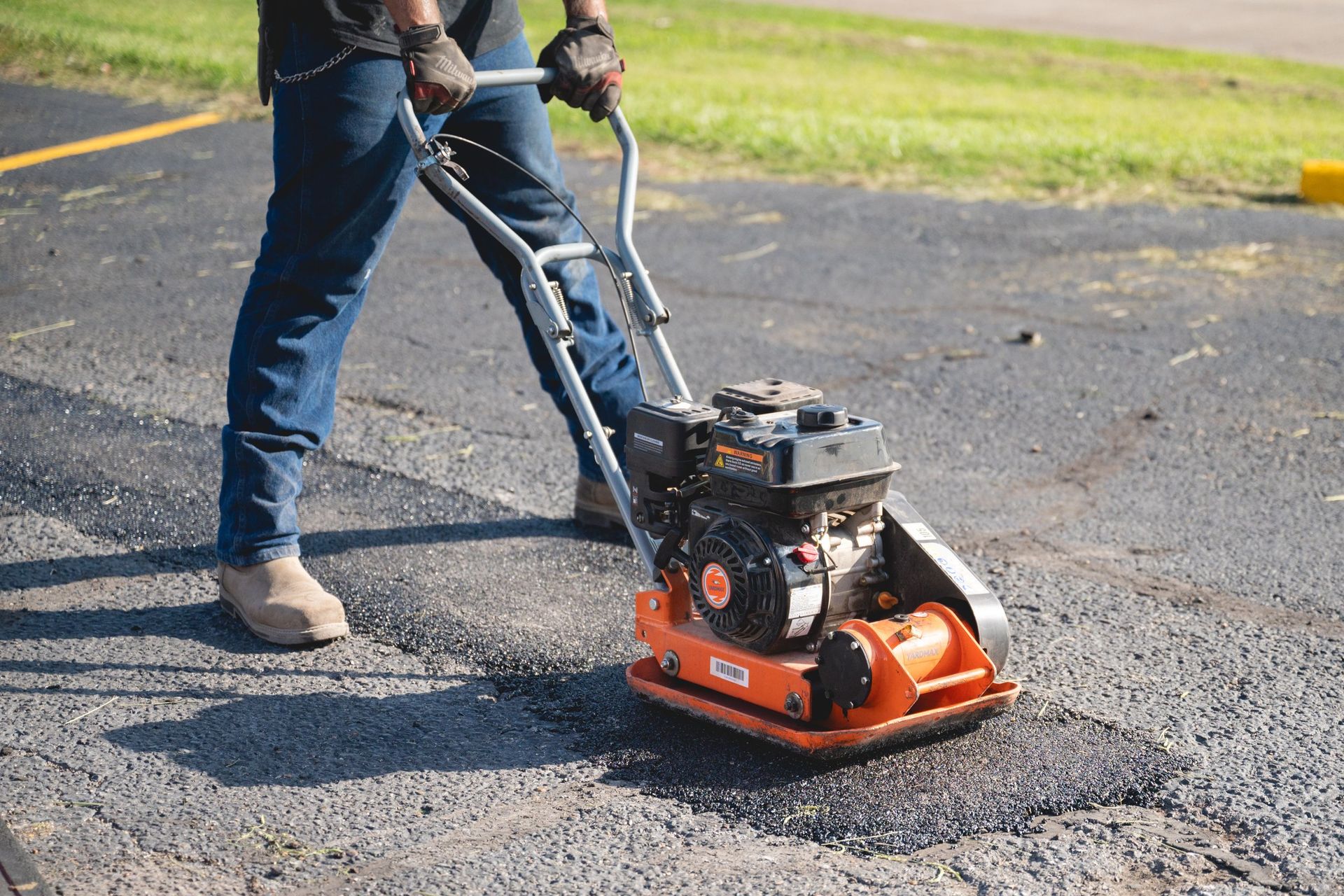
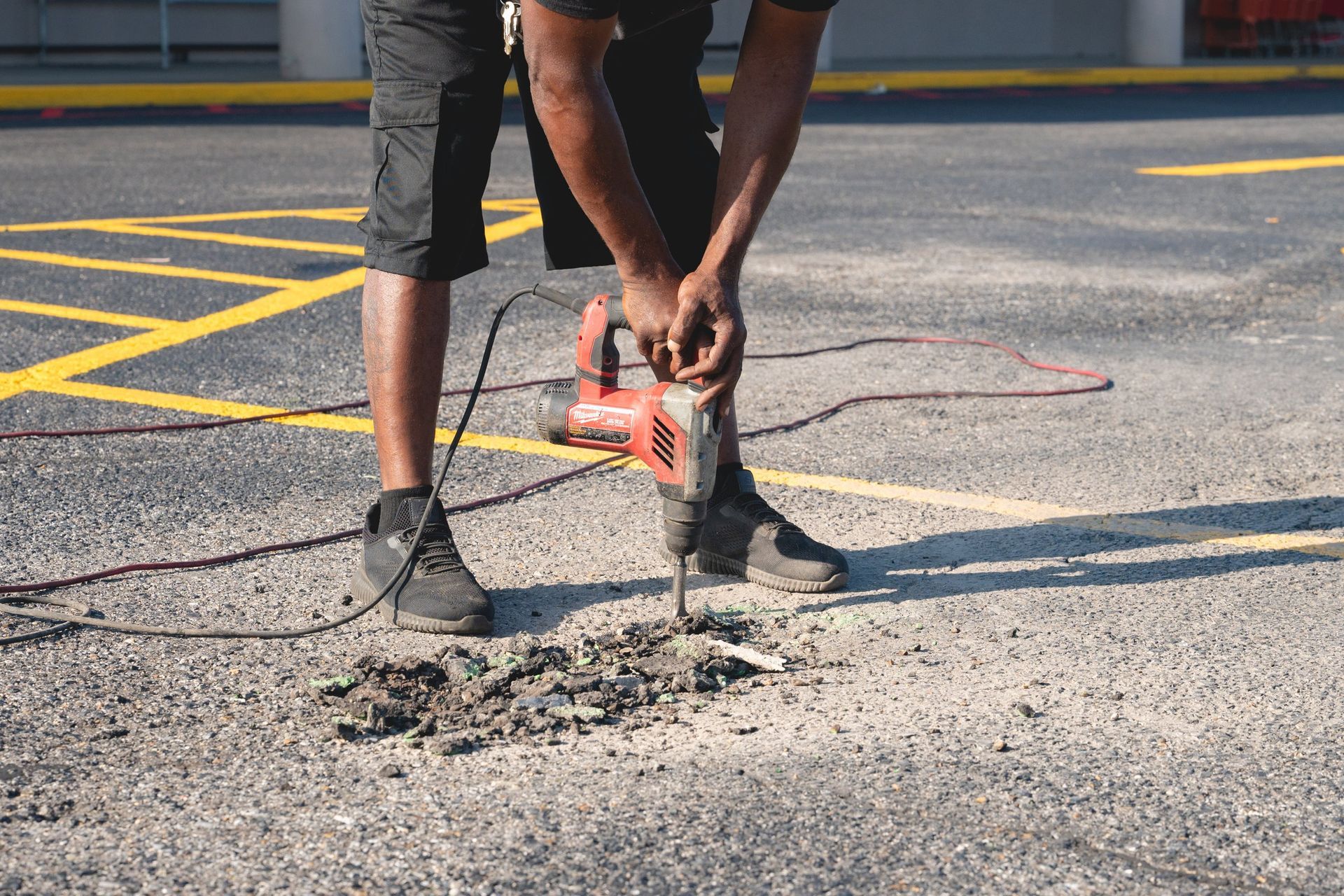
Addressing existing damages such as cracks, potholes, and surface deformities before sealcoating is imperative to achieve optimal results. Cracks serve as gateways for moisture infiltration, which can exacerbate pavement deterioration if left unattended. Relying on an experienced local asphalt paving company to fill these cracks before applying the sealcoat prevents moisture intrusion and safeguards the integrity of the pavement.
Timing the first sealcoat application correctly is one of the most effective strategies for protecting your commercial parking lot and maximizing your asphalt investment. By allowing adequate curing time and addressing structural blemishes prior to coating, property owners safeguard against water infiltration, UV damage, and high-traffic wear. Establishing an ongoing maintenance relationship with a dependable local asphalt paving company ensures that every application meets industry standards and manufacturer specifications. Ultimately, proactive scheduling and professional application preserve curb appeal, enhance vehicle safety, and extend the functional lifespan of your paved surfaces for years to come.
Protect your commercial parking lot and restore its rich, durable finish by contacting Premium Facility Services today!