September 29, 2026
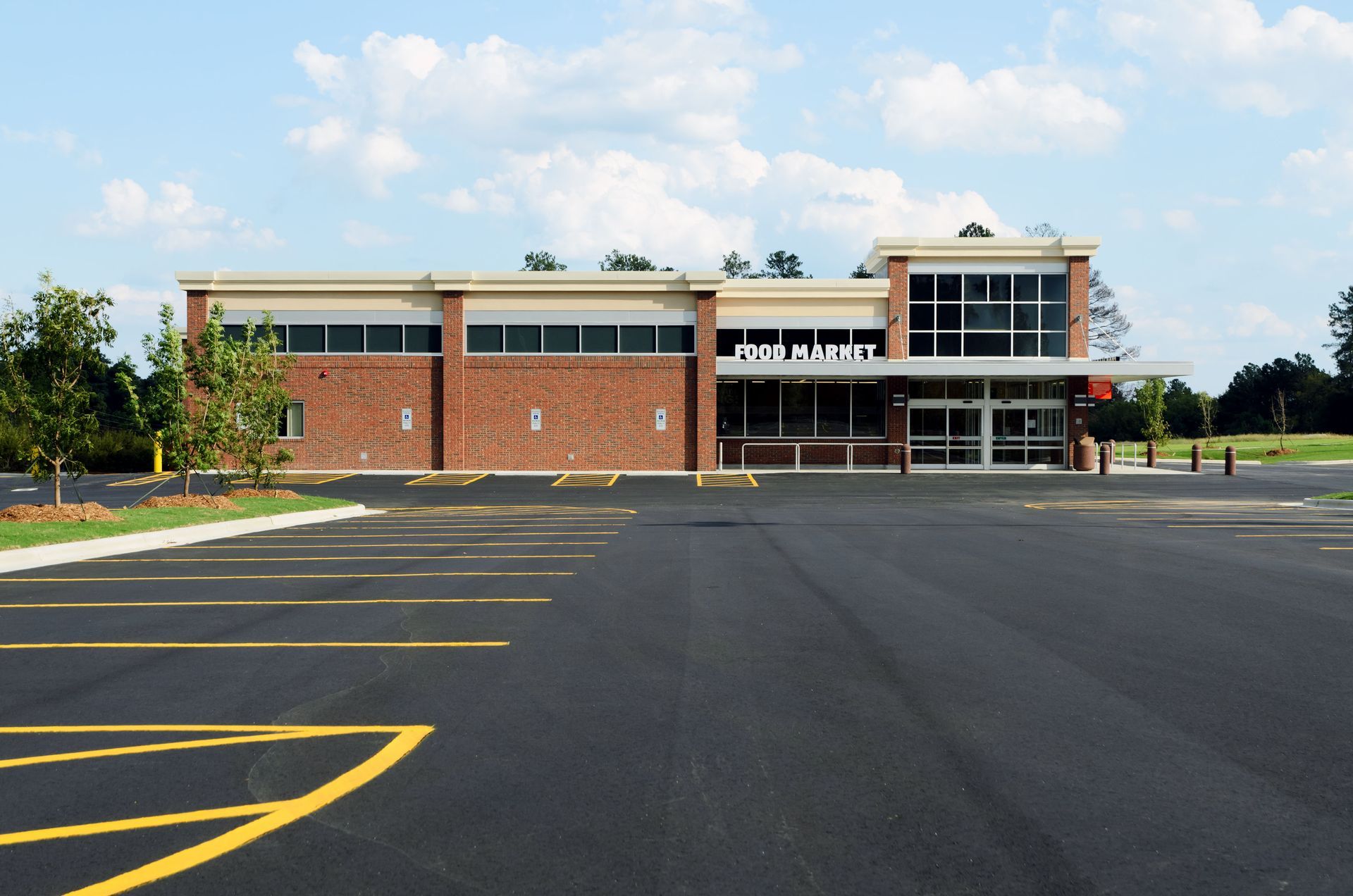
Your parking lot is the first part of your property that customers, tenants, and employees experience. Long before anyone walks through your front door, they have already driven across your pavement, searched for a space, and formed an impression of how well you care for your facility. A smooth, clean, clearly marked lot says you pay attention to detail. A lot riddled with cracks, faded lines, and potholes says the opposite.
The good news is that keeping your pavement in excellent condition does not require a massive budget. Asphalt rarely fails all at once. Instead, it breaks down gradually through a series of small, preventable problems that compound over time. Water seeps into a hairline crack, the crack widens, the base beneath it weakens, and eventually a pothole forms. Each stage costs more to fix than the one before it.
That is why experienced asphalt paving companies consistently recommend a proactive maintenance strategy over a reactive one. By making modest, well-timed investments in your pavement, you can dramatically extend its lifespan and avoid the expense and disruption of a full replacement. According to Grainger KnowHow, a parking lot that receives crack filling each year and a fresh sealcoat every three to five years can last as long as 30 years before replacement becomes necessary. The sections below cover the key maintenance steps that make that kind of longevity possible.
Sealing Cracks Before They Spread
Cracks are the earliest warning sign that your asphalt needs attention, and they are also the easiest problem to address. Asphalt naturally expands and contracts with temperature changes, and over time, sun exposure oxidizes the binder that holds the pavement together. The surface becomes brittle, and small cracks begin to appear.
On their own, these cracks may look harmless. The real danger is what they let in. Rainwater flows into open cracks and reaches the base layer beneath the asphalt. Once the base becomes saturated, it loses its ability to support the weight of vehicles, and the pavement above it starts to sink, crumble, and break apart. In regions with heavy rainfall and high humidity, this process can happen surprisingly fast.
Professional crack filling seals these openings with a flexible, hot-applied material that moves with the pavement instead of pulling away from it. Reputable asphalt paving companies clean each crack thoroughly before filling it, removing debris and vegetation so the sealant bonds properly. Store-bought crack fillers may seem like a budget-friendly shortcut, but they often shrink, dry out, or fail within a single season, which means you end up paying twice. Scheduling crack filling once a year is one of the simplest, most cost-effective ways to protect your parking lot.
Patching Potholes Before They Grow
When cracks go untreated long enough, potholes are usually the next stage. A pothole is more than an eyesore. It is a liability. Potholes can damage tires and suspensions, cause pedestrians to trip and fall, and expose property owners to costly claims. They also tend to grow quickly, since every car that passes over one breaks away more of the surrounding edge.
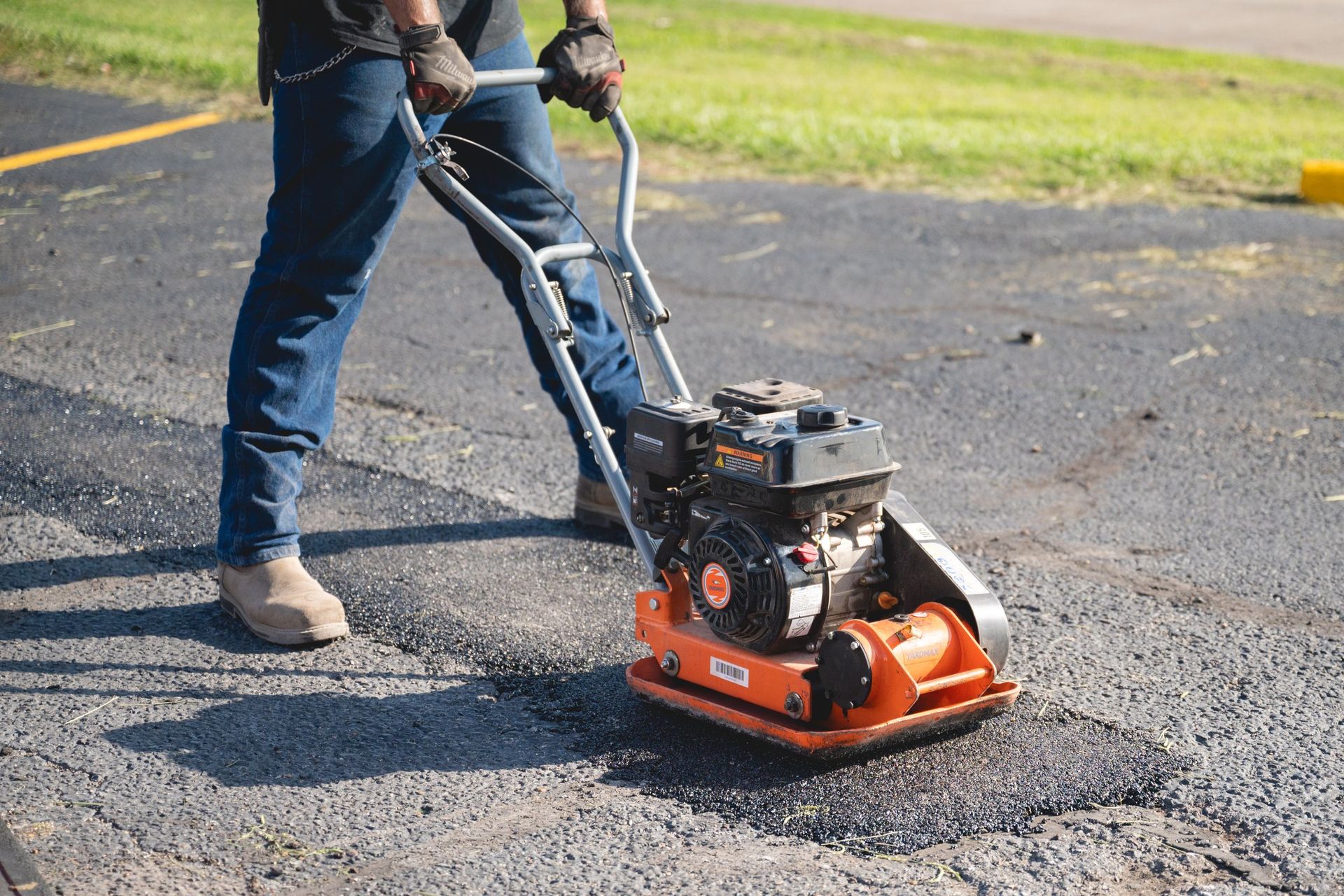
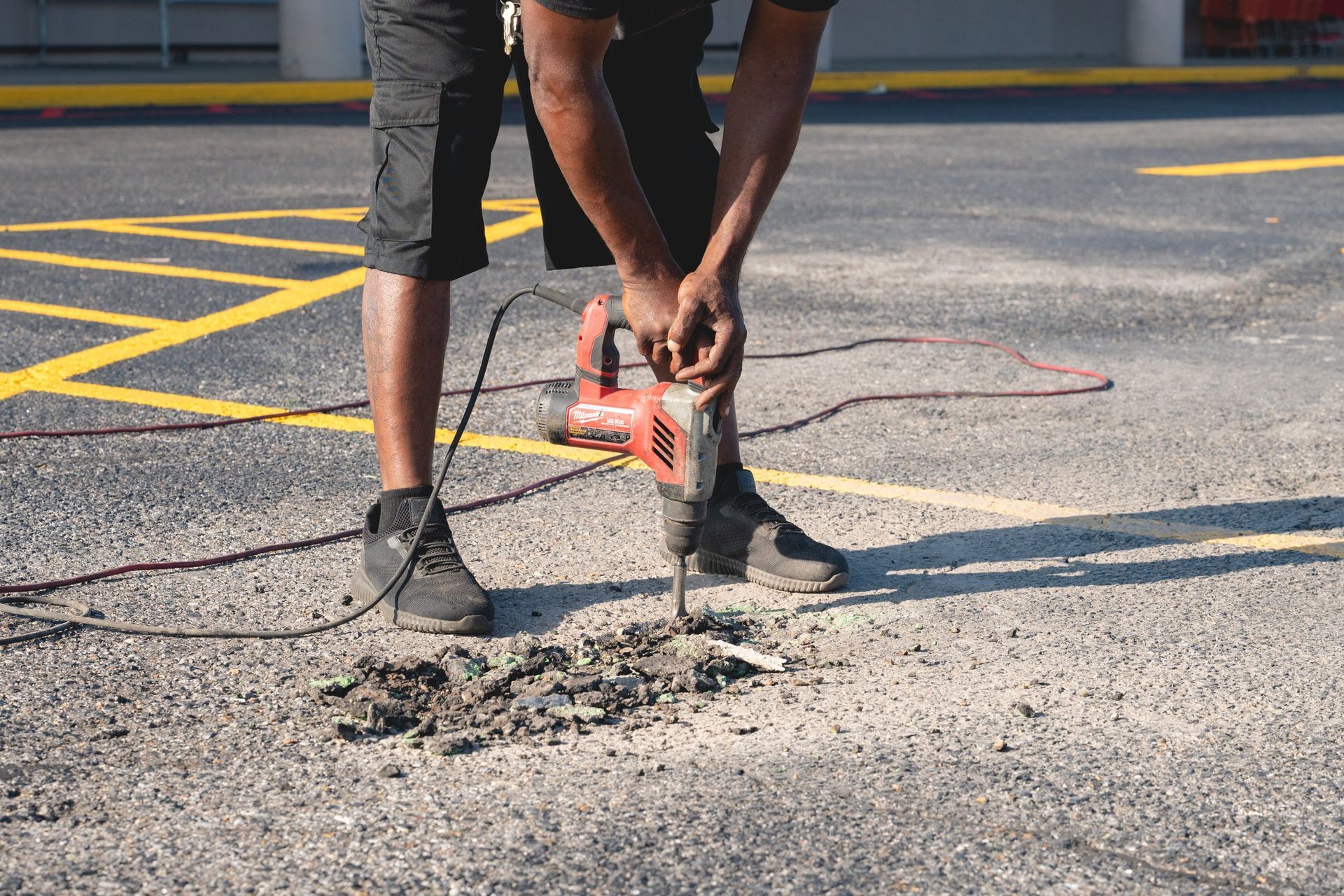
Asphalt patching restores damaged areas before they spread across a larger section of your lot. A proper patch involves more than filling a hole with cold mix and hoping for the best. Qualified asphalt paving companies cut out the damaged section, address any weakness in the underlying base, and compact new hot asphalt into place so the repair blends seamlessly with the surrounding pavement. This approach creates a durable, level surface that can handle daily traffic for years.
Quick, temporary fixes might fill the hole for a few weeks, but they rarely hold up under heavy use or wet weather. Working with experienced asphalt paving companies ensures the repair is done correctly the first time, which saves you money and keeps your lot safe for everyone who uses it.
Sealcoating Surfaces Before They Fade
If crack filling is your first line of defense, sealcoating is your shield. Over time, UV rays, rain, motor oil, gasoline, and other chemicals all attack the surface of your asphalt. You can often see this damage in the form of a faded, gray, rough-textured surface that looks dry and worn. Once the protective binder breaks down, the pavement becomes more vulnerable to cracking and raveling.
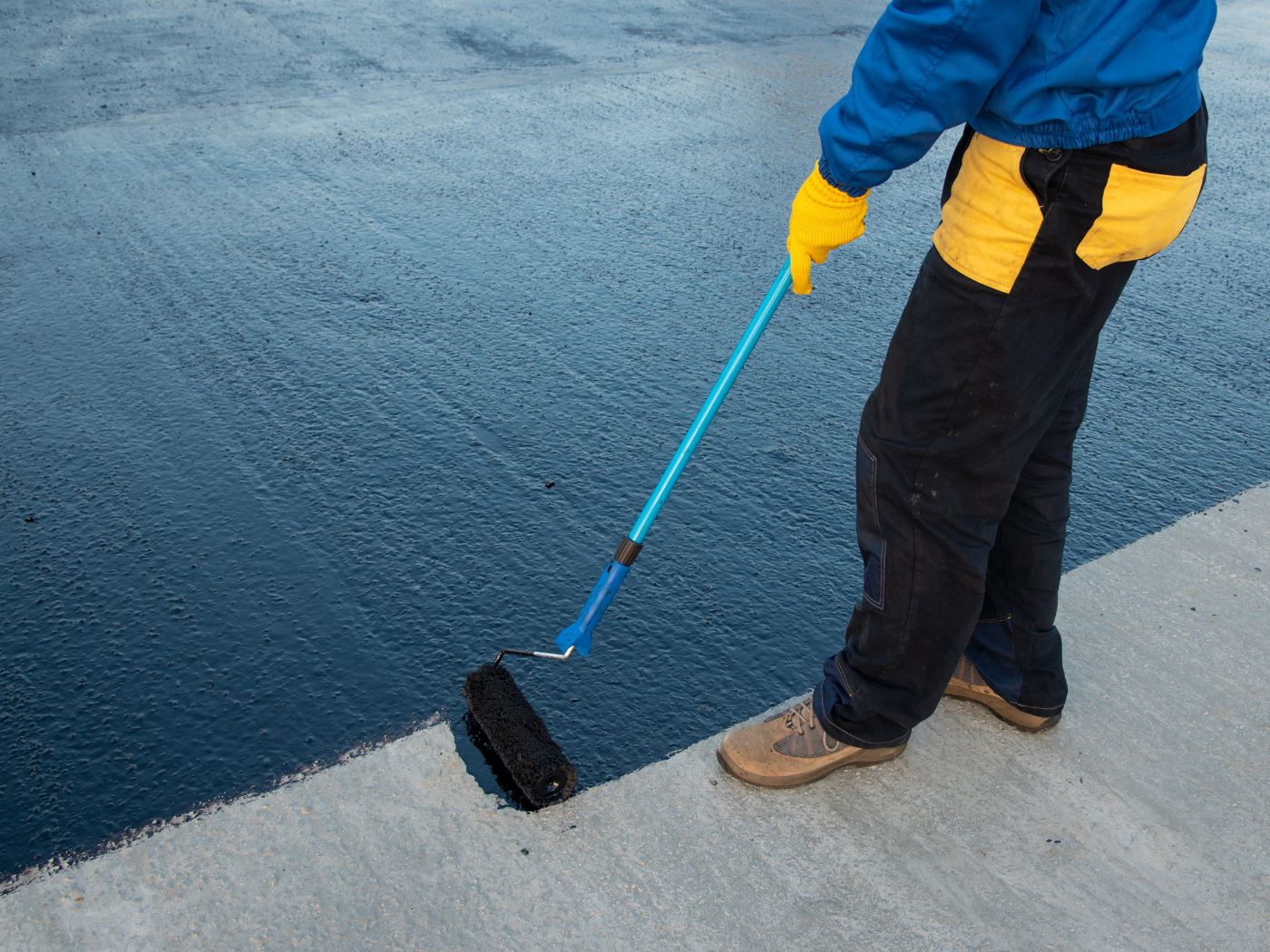
Sealcoating applies a protective layer over your asphalt that blocks moisture, resists chemical spills, and shields the surface from sun damage. It also restores the rich black finish that makes a parking lot look new again, instantly improving your property's curb appeal. For most commercial lots, a fresh sealcoat every few years strikes the right balance between protection and cost.
Timing and preparation matter a great deal with sealcoating. The pavement must be cleaned, repaired, and dry before application, and weather conditions must cooperate for the coating to cure properly. Professional asphalt paving companies know how to prepare the surface, choose the right sealer, and apply it evenly so the results last. A poorly applied sealcoat can peel, streak, or wear away in high-traffic areas, undermining the very protection you paid for.
Restriping Lines Before They Disappear
Parking lot striping might seem cosmetic, but it plays a major role in safety, efficiency, and compliance. Clear lines guide traffic flow, define parking spaces, and help drivers and pedestrians navigate your property without confusion. When striping fades, drivers park crookedly, traffic patterns become unpredictable, and the risk of accidents rises.
Striping also carries legal weight. Accessible parking spaces and access aisles must meet ADA requirements, and fire lanes must be clearly marked so emergency vehicles can reach your building without obstruction. Faded or incorrect markings can leave you exposed to fines and liability. Curb markings, directional arrows, crosswalks, and stop bars all contribute to a safer, more organized lot.
Restriping is especially effective when paired with sealcoating, since fresh paint on a newly sealed surface produces sharp, highly visible results. Many asphalt paving companies offer striping as part of their maintenance services, which allows you to coordinate both projects and minimize downtime. Professionals use precise layout measurements and durable traffic paint to deliver lines that stay crisp and compliant.
Keeping a parking lot in great shape is not about one large expense. It is about a series of small, strategic investments made at the right time. Annual crack filling, prompt pothole patching, regular sealcoating, and fresh striping work together to shield your pavement from water, sun, chemicals, and heavy traffic. Each step costs far less than a full replacement, and together they can add decades to the life of your lot.
Just as important is choosing the right team for the job. Well-intentioned DIY fixes and bargain shortcuts often fail quickly, leading to repeat repairs and greater long-term costs. The best asphalt paving companies bring the equipment, materials, and experience needed to do the work correctly and keep your property safe, compliant, and welcoming.
Ready to get more years out of your parking lot? At Premium Facility Services, we offer free parking lot inspections, custom maintenance plans, and a full range of pavement services, including crack filling, asphalt patching, sealcoating, parking lot striping, sweeping, and pressure washing. We are available 24/7 and provide free estimates within 72 hours. Contact us today to schedule your inspection and start protecting your pavement for the long haul.